
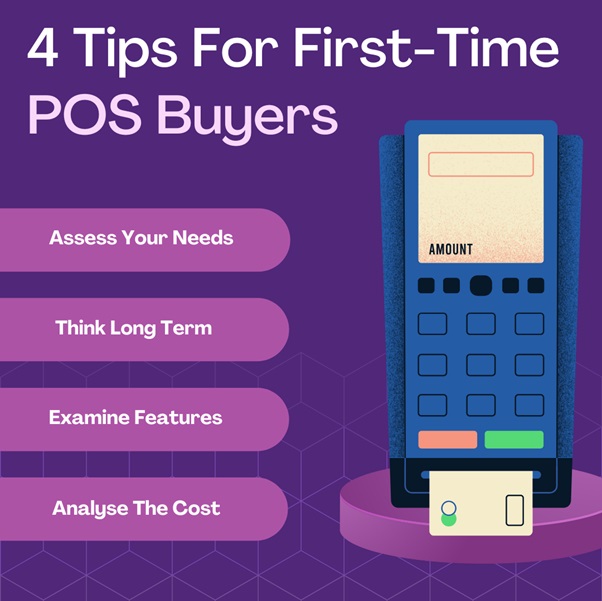
Running a business means making a difference and leaving a lasting impression, a positive one, on customers who trust you with your products & services. An example to achieve this is by having POS software that does the job, but not everyone has it. If you are on the road to digitisation or trying to improve your current setup, here are some helpful tips for first-timers:
TIP #1: ASSESS YOUR OPERATIONAL NEEDS
Determine your business needs before anything else. First, consider what types of products or services you offer, how many employees you have, and the transactions you’ll be processing. Doing this will help you narrow down the options and find a POS system best suited for your business. Second, ask questions that will help you arrive at answers that lead you to feasible solutions and plans, such as the promised returns of the QR ordering system, for example, because you want to make it easy for the customers.
TIP #2: THINK LONG-TERM
A long-term mindset or exploring scalability is necessary because businesses and all other matters change over time. For example, your restaurant grows, which gives rise to the possibility of improving your POS software because needs may change. In short, trust a scalable system because it can grow with your business. You need to ensure that you don’t have to replace your system in the future.
TIP #3: EXAMINE THE FEATURES
Different POS systems come with a wide range of features. Some may have inventory management, while others may have customer relationship management (CRM) capabilities. Evaluate the features of different systems and choose one that aligns with your business the most. An example is when you wish to focus on CRM because of the current need to provide a better experience.
TIP #4: ANALYSE THE COST
Restaurant POS systems or any other tool for a business can vary in cost. One brand might charge more than the other or a particular model will come with a higher price tag because of the latest features. In this case, analyse the cost and have a budget to avoid overspending or putting a dent in your corporate finances. (Tip: Spend time if you must as financial matters require heavy consideration.)
In conclusion, when exploring POS software for the first time, you should determine your business needs, look for scalability, evaluate the features, and consider the cost. Suntoyo Singapore can help you with that, and check their website for more information.