



Smart devices are available in multiple categories, from smart TVs to smart sprinklers, thermostats, lights, garage doors – name it and it’s there. They are easily available to the domestic user, and at quite affordable rates.
That’s not all. These devices are easy to install by yourself, even if they are wired variants. But what are smart devices good for? Are they really worth the investment? Are they normally great for home automation as always seen? And how easily and inexpensively these devices let you automate basic aspects of your home – like the lights, the thermostat, or even the door lock?
However, it is not just automation that is one of the greatest perks of owning smart devices. There’s more to them, and here is all what you would essentially be getting in return for installing smart devices in your home.
Smart Devices for Energy Saving
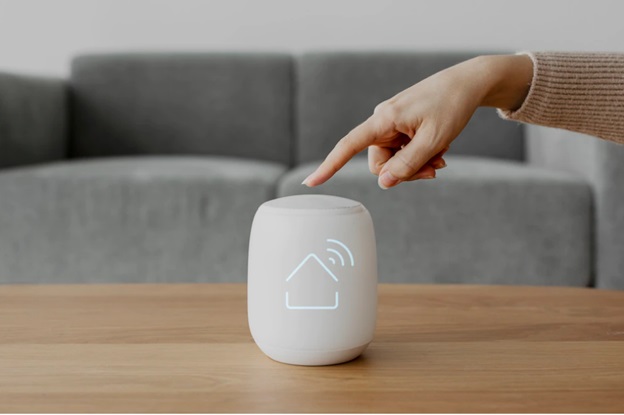
Smart devices are great because of the reason that they provide remote control, wireless access through mobile applications, along with featuring built-in motion sensors and even voice enabled control via voice assistants or smart speakers. All these are what facilitate the automation feature of smart devices.
So, when it comes down to energy saving, all the above factors promote a greener living, and here’s how. Devices like smart lights, smart thermostats or even smart sprinklers, are your main energy saving devices – lights and thermostats saving electricity, whereas sprinkler controllers maintaining water consumption.
Given that users have access to these devices via mobile applications and some with voice enabled control, they are very easy to manage. Switch the devices on or off from wherever you are, or have pre-set schedules for them to follow through the week – essentially you won’t be worrying about energy wastage anymore!
If you’re looking for a cheap smart thermostat to install in your home, you can check out FirstEnergy Home’s website www.firstenergyhome.com.
Smart Devices for Home Automation
As mentioned earlier, the one feature that always comes to mind about smart devices, is the automation factor. Home automation becomes easier with smart devices because of the facilities that they boast – mobile applications and voice enabled control providing remote and wireless access, as well as built-in motion sensors. These are what allow users to control their devices on their own terms, even when away from home.
The ability to set schedules is an addition to the automation feature, where users won’t have to manually do anything. Just pre-set schedules on the daily, or weekly for the devices to follow through with, catered to their routines.
Smart Devices for Home Security
It isn’t just the automation factor that is a cool feature which users can enjoy when it comes to smart devices. Certain smart devices may be great for automation, but they are also a great security alternative for your home. That means, smart devices do not serve a singular purpose, rather they are in fact of multipurpose use.
Devices like smart cameras, smart door locks and video doorbells, are brilliant in what they do. Not only do they automate the process and provide remote and wireless control of the devices altogether, but they provide home security too!
Smart cameras display a live video feed in HD and night vision, straight to your smartphone, as with video doorbells too. And these devices send real time alerts to your mobile devices in the event of anything that you probably missed out on while being away. Convenience and security is what it offers basically. You can sit at your office desk or while on vacation in another state altogether, and watch over your home from miles away.
With smart door locks for instance, users need not worry about finding their keys at the door, or going back to double checking whether they locked the door on their way out, or even worry about where to hide the keys so that the neighbor can come in to feed their pet. These locks can automatically lock/unlock themselves, and with the help of their mobile applications, users can lock/unlock their doors from practically anywhere. So there won’t be the need to hide keys under planters or rugs anymore, or taking a U-turn to double check the door – just use the mobile app. These devices also keep track of whenever the door has been accessed, as well as send in alerts to users so they may keep tabs.
Conclusion
All in all, smart devices are probably the greatest investment that anybody can make into their home. These devices are worth every penny, given the technology and features that they bring with them, hopefully this article gave you a better insight into what more these devices can do.
It is only a matter of time when ordinary counterparts of such devices become obsolete, only to be replaced with smarter versions, so better to make that transition now while you can.