





The Main Uses of Pressurised Tanks Across Industries

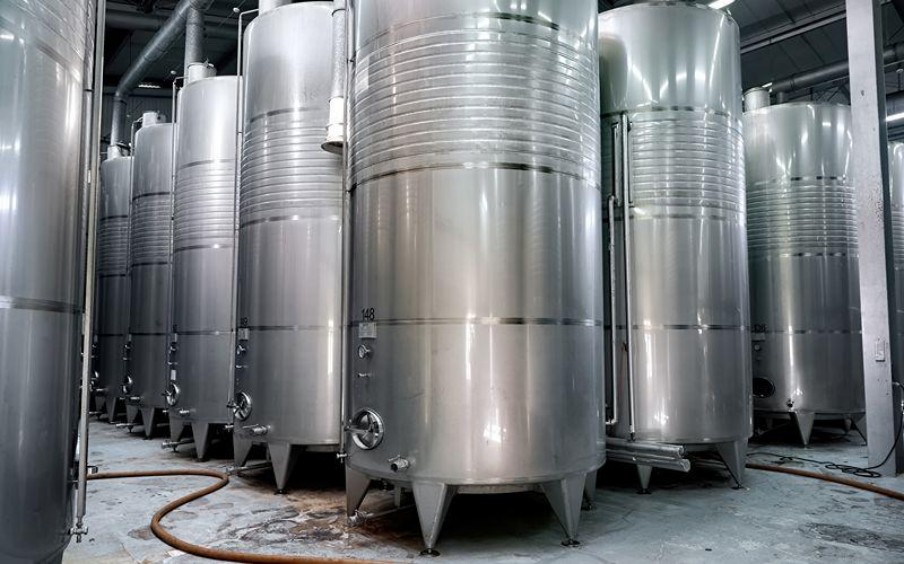
The main uses of pressurised tanks stretch far beyond what most people imagine. They sit quietly behind factory walls, beneath utility rooms, or beside processing lines, doing work that rarely gets noticed. Yet across Singapore’s industrial landscape, from water management to pharmaceuticals, these tanks play a steady, almost reassuring role. They store, regulate, and release fluids and gases with precision, helping entire systems run smoothly.

Why Pressurised Tanks Matter More Than You Think

Pressurised tanks are not just metal containers under stress. They act like buffers in a busy system, absorbing fluctuations and keeping operations calm when demand spikes. In a city like Singapore, where space is tight and efficiency matters, this stability becomes essential. Many facilities rely on a trusted pressure tank manufacturer to customise tanks that match strict operational and safety needs. There is also a practical side that rarely gets discussed. By maintaining consistent pressure, these tanks reduce wear on pumps and pipelines. Less vibration, fewer sudden surges, and longer equipment life. It is not glamorous, but it saves money and downtime.

1. Water Systems and Utilities: The Quiet Backbone

One of the most common uses of pressurised tanks appears in water supply systems. Residential estates, commercial buildings, and industrial plants depend on stable water pressure, especially during peak usage. Without pressurised tanks, pumps would cycle constantly, burning energy and wearing out fast. In Singapore’s dense urban environment, this role becomes even more important. Pressurised tanks help manage limited water resources efficiently while ensuring reliable flow. Many utility providers work closely with a pressure tank manufacturer to meet local standards and space constraints.

2. Manufacturing and Process Industries

Step into a manufacturing plant and pressurised tanks show up everywhere. They store compressed air for pneumatic tools, hold chemicals under controlled conditions, and regulate fluids in production lines. Think of them as shock absorbers for industrial processes. In sectors like electronics and precision engineering, pressure stability can affect product quality. A slight fluctuation may not seem like much, but over time it adds up. Well-designed pressurised tanks help maintain consistency, which manufacturers value deeply.

3. Energy, Oil, and Gas Applications

Energy-related industries rely heavily on pressurised tanks for storage and transport. Whether it is natural gas, fuel, or process fluids, controlled pressure ensures safety and efficiency. Singapore’s role as an energy hub means these tanks are designed to meet strict regulatory checks. Interestingly, safety systems often depend on pressurised tanks too. Emergency shutdowns, pressure relief mechanisms, and backup supplies all rely on tanks that perform exactly as expected when things go quiet or suddenly go wrong.

4. Food, Beverage, and Pharmaceuticals

Pressurised tanks sound industrial and heavy, yet they are vital in clean, sterile environments. In food processing and pharmaceutical production, they store ingredients, gases, and liquids without contamination. Carbonated beverages, for example, rely on carefully controlled pressure to maintain taste and texture. Pharmaceutical plants depend on pressurised tanks to handle sensitive compounds safely. Choosing the right pressure tank manufacturer becomes less about size and more about hygiene, materials, and compliance.

5. Supporting Sustainability and Efficiency Goals

Pressurised tanks also support sustainability efforts. By reducing pump cycling and energy waste, they help facilities lower power consumption. In Singapore, where green building standards are gaining traction, this matters more each year. Some modern pressurised tanks are integrated with smart monitoring systems, offering real-time insights into pressure levels and performance. This blend of traditional engineering with digital tools reflects a broader trend across industries.

Conclusion

Across utilities, manufacturing, energy, and healthcare, pressurised tanks quietly keep operations balanced and dependable. Their value lies not in complexity, but in reliability and thoughtful design. Working with an experienced pressure tank manufacturer ensures these systems perform safely and efficiently over the long term. For organisations planning new installations or upgrades, speaking with a trusted specialist can make all the difference. Reach out to Unicontrols today to discuss how the right pressurised tanks can support operational goals with confidence.

Leave a Reply

Your email address will not be published. Required fields are marked *

Technology

Airport Management Solutions Enhancing Workforce Visibility

Key Takeaways Real-time staff monitoring improves workforce coordination across airport zones. Access tracking strengthens security control and reduces unauthorised area entry. Movement visibility helps improve emergency response and staff accountability. Workforce data insights help planners balance staffing across operational areas. Introduction Managing large airport teams calls for structured coordination and reliable movement awareness across terminals, […]

Read More
Technology

Why Proper PCB Layout Is Critical for Performance and Reliability

Key Takeaways Smart PCB layout choices have a direct impact on signal quality, heat control, and long-term reliability Small layout decisions can prevent costly failures, noise issues, and performance drops later on Local expertise matters, especially when working with compact, high-density electronics common in Singapore A well-planned layout supports smoother manufacturing, testing, and future upgrades […]

Read More
Technology

Mobile Application Development in Singapore: What Businesses Should Expect

Key Takeaways Businesses should clearly define their goals and feature priorities before starting mobile application development in Singapore to avoid unnecessary complexity and cost. A structured development process, planning, design, prototyping, and refinement, helps ensure the final app meets both user expectations and business needs. Long-term maintenance, updates, and communication with the development team remain […]

Read More