




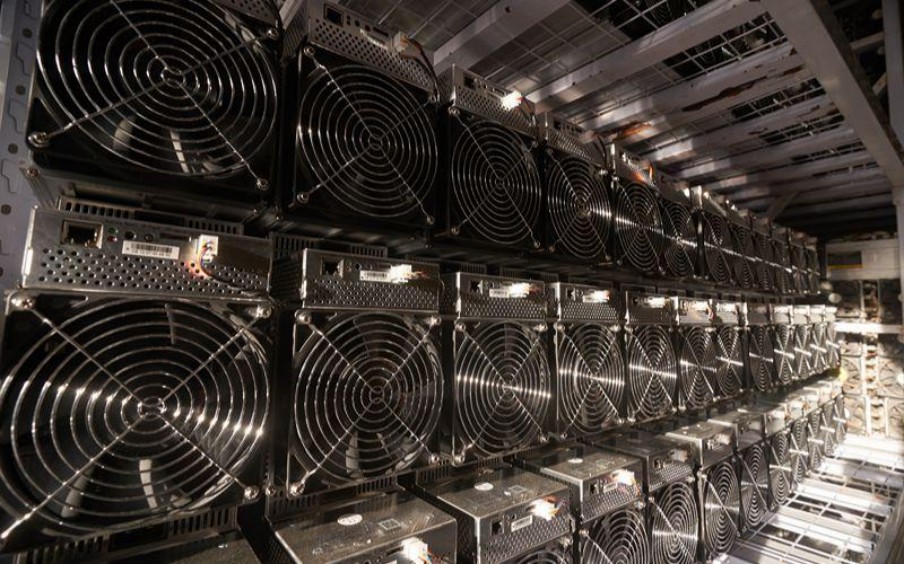
Data centres depend on steady, predictable air movement to keep servers operating within safe limits. As rack density increases, airflow errors leave little room for tolerance. Operators therefore favour systems that deliver even circulation, controlled pressure, and dependable response during load changes. Fan-based airflow has become a practical answer to these operating demands.
The Airflow Challenge Inside Modern Data Centres
Every data hall faces constant thermal pressure. Servers release heat without pause, while airflow paths tighten as layouts evolve. Small shifts in balance can lead to hot spots, uneven cooling, or alarm-driven interventions.
When air delivery needs to cover wide floor areas evenly, many facilities address pressure build-up and airflow gaps through a distributed approach built around a Fan Wall Unit placed along return paths or containment edges.
How Fan Walls Maintain Steady Air Delivery
Rather than relying on one large mover, airflow stability comes from combining several smaller fans that adjust speed gradually as demand shifts. Smooth transitions limit pressure shocks and keep circulation consistent. Such control sits at the core of a Fan Wall Unit designed for data hall use.
Many facilities continue to use CRAC systems as primary cooling anchors. While dependable, air pushed from fixed positions can struggle to adapt when rack layouts change. Spreading delivery across a broad surface helps maintain even intake at server level and reduces local imbalances.
Pressure Control and Operational Resilience
Stable air pressure supports effective cooling across aisles and containment zones. When airflow fluctuates sharply, equipment temperatures follow. Modular fan arrays respond in smaller increments, keeping conditions balanced during transitions.
Redundancy forms part of the airflow strategy by design, allowing individual fans to be replaced while circulation continues. This capability defines daily operation around a Fan Wall Unit without forcing downtime during routine servicing.
Facilities dependent solely on CRAC delivery points often experience wider pressure variation across larger halls. Distributing airflow sources narrows those swings, helping reduce thermal stress.
Working Alongside Existing Cooling Layouts
Fan walls integrate smoothly into existing environments. Many operators deploy them alongside CRAC infrastructure to refine airflow control without rebuilding entire cooling systems.
Typical placement includes return air walls or locations behind containment zones. Shorter airflow paths reduce leakage and recirculation, improving overall circulation and allowing layouts to adjust as densities rise.
Efficiency Gains Supported by Operational Data
Air movement accounts for a significant share of site energy use. Measurements across multiple facilities show that groups of smaller fans operating at moderate speeds draw less power than fewer large fans working near maximum output.
More precise delivery reduces oversupply and aligns airflow with actual demand. This approach supports balanced cooling solutions while keeping energy use predictable across load ranges.
Energy monitoring regularly shows smoother part-load behaviour throughout daily operating cycles, contributing to steadier planning and cost control.
Monitoring, Control, and Daily Visibility
Fan arrays connect easily with building management platforms. Individual fan data provides clear visibility into speed, status, and alarms, allowing teams to react quickly if conditions begin to drift.
In halls where CRAC units remain active, airflow data from fan walls complements existing controls. Combined feedback improves understanding of circulation behaviour across the floor.
Long-term trend data reflects stable airflow patterns across extended operation, helping guide layout planning and capacity decisions.
Choosing Airflow Stability With Confidence
Reliable airflow underpins long-term data centre performance. Steady circulation reduces stress on equipment, maintains consistent conditions, and simplifies routine operations. These outcomes align closely with airflow strategies built around a Fan Wall Unit suited to dynamic load profiles.
Working alongside CRAC layouts, distributed fan systems offer measured performance supported by observed operating data. Even distribution, service flexibility, and controlled pressure remain practical advantages.
For operators refining airflow strategies or planning upgrades, careful evaluation pays off over time. Contact Canatec to discuss airflow planning, integration options, and practical steps for maintaining steady air movement inside data centres.