




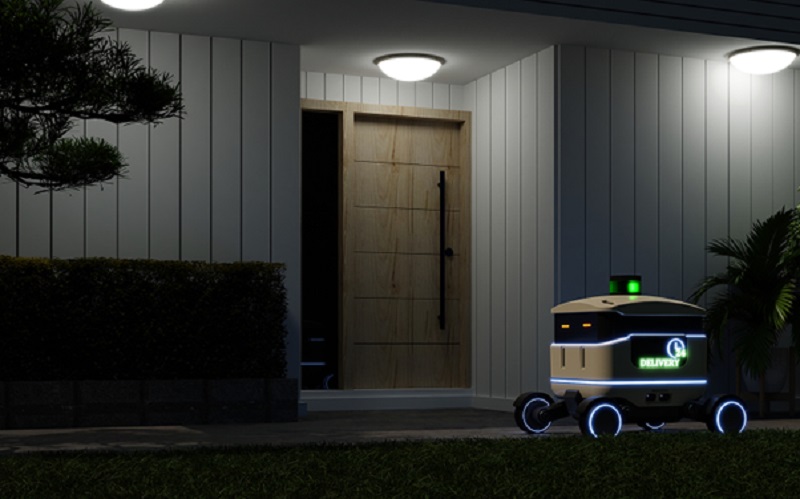
Security is no longer just a matter of personnel and cameras. As industries adapt to growing operational risks, robotics companies are stepping into the space with solutions that combine automation, AI, and mobility. In Singapore, where technological adoption meets rising security demands, security robots are gaining traction across commercial and public sectors. Here are the key reasons why robotics firms are increasingly directing resources toward innovation in this field.
Rising Demand for Real-Time Surveillance
Organisations today require constant and efficient monitoring of their premises. Traditional systems, such as static CCTV or manual patrols, cannot fully address the dynamic nature of evolving threats. A security robot offers a more proactive response. By integrating sensors, thermal imaging, and mobile navigation, these machines provide live feedback across various terrains and conditions. A robotics company in Singapore sees this need as an opportunity to fill the operational gaps left by fixed infrastructure.
Labour Shortages Drive Automation
Security services rely heavily on manpower, but finding and retaining staff has become increasingly difficult. This challenge is especially evident in environments that require 24/7 surveillance or extended coverage of large sites. Robotics firms are responding by building machines that can patrol autonomously, reducing dependence on human personnel. In Singapore, where workforce costs are rising and manpower policies remain strict, the use of automated patrol systems has become a practical shift.
Urban Infrastructure Needs Smarter Protection
As cities become more digitally connected, urban environments need smarter systems to protect their infrastructure. Robotics firms are designing security robots equipped with sensors that can detect gas leaks, measure air quality, and monitor noise levels, in addition to detecting unauthorised access. A robotics company in Singapore, operating within a smart city framework, sees these capabilities as part of a broader surveillance solution that supports sustainable urban management.
Remote Monitoring Has Become a Priority
Businesses increasingly require remote access to real-time security data. Security robots serve as mobile data sources, capable of streaming live video and transmitting alerts to control centres. Their compatibility with remote dashboards enables managers to monitor multiple locations simultaneously. With many firms adopting hybrid work arrangements, remote security management has become a critical component of operational continuity.
Customisable Solutions Suit Sector-Specific Needs
Different industries face distinct risks. A warehouse may require perimeter patrols, while a data centre needs temperature and access control. Robotics firms now focus on modular robot designs, enabling specific sensor integration for targeted applications. A security robot in Singapore might be deployed at an airport to detect unattended baggage or used in a school environment to identify unauthorised movement. This flexibility supports the growing demand for industry-specific solutions.
Cost Efficiency Over Long-Term Deployment
While the upfront cost of developing or deploying a robot may be high, the long-term savings in staffing, training, and supervision are substantial. Security robots can operate continuously without fatigue and reduce error rates during surveillance rounds. Robotics companies have recognised that investment in automation translates into cost-efficient protection. This is particularly appealing to sectors such as logistics, property management, and critical infrastructure in Singapore.
Data Collection Enhances Threat Analysis
Security is no longer reactive. The ability to collect and analyse surveillance data in real time allows for predictive threat management. Robotics firms integrate machine learning algorithms into security robots, enabling them to detect unusual patterns, report anomalies, and improve response times. A robotics company in Singapore is likely to invest in these systems not only to enhance security outcomes but also to deliver long-term intelligence gathering capabilities.
Learn More: How Security Robots Are Safeguarding Modern Manufacturing Facilities
Government and Enterprise Support
Singapore’s support for automation, AI, and robotics has created a favourable environment for security innovation. Robotics firms benefit from public-private partnerships, innovation grants, and testbeds to trial security technologies. As public institutions adopt robotic surveillance systems in transport hubs and parks, commercial interest increases. This alignment between national policy and enterprise ambition drives consistent investment in security-focused robotics.
Regulatory Compliance and Monitoring
In high-security areas, compliance is crucial. Security robots can be programmed to conduct routine checks, log inspection data, and ensure protocols are met. Robotics companies see value in building tools that support not just observation, but verification. In Singapore, where regulated industries such as finance, aviation, and healthcare demand high compliance, these capabilities support automated enforcement of security policies.
Market Readiness for Advanced Solutions
Lastly, the market is ready. Companies across sectors are seeking integrated systems that offer reliability, scalability, and innovation. Robotics firms are aligning their products with this readiness by developing robust platforms that adapt to real-world security challenges. As competition intensifies, security robots represent a strategic area of growth where robotics companies can lead with impact.
For more information about security robots in Singapore, contact KABAM Robotics today.