




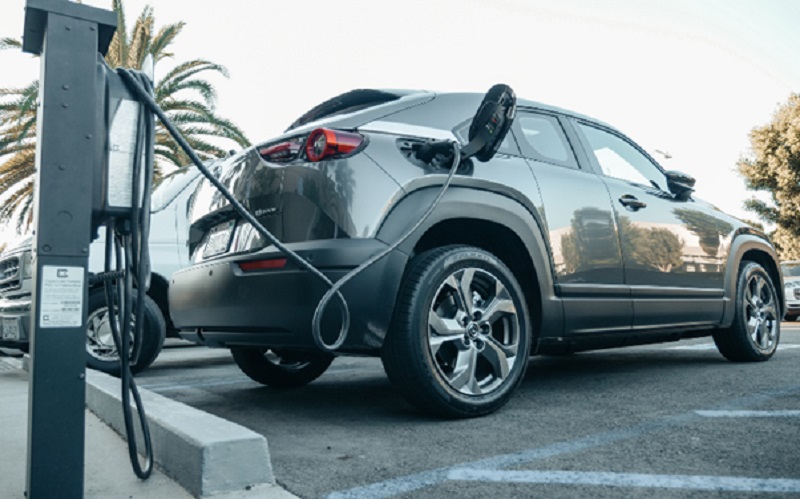
As the global push for electric vehicles (EVs) grows stronger, one area that often sparks debate is the charging infrastructure that supports them. While electric vehicle charging stations are touted as the future of transportation, there are several overlooked truths about this rapidly expanding industry. In this article, we will uncover the controversial realities of EV charging stations and explore the aspects you won’t hear elsewhere.
1. Electric Car Charging Stations Are Not As Accessible As You Think
One of the most prevalent misconceptions about electric vehicles is that charging stations are plentiful and easily accessible. While the number of electric vehicle charging station companies is steadily increasing, the reality is that access can be limited, especially in less populated areas or older urban districts.
2. Installation Can Be More Expensive Than Expected
When considering the switch to an electric vehicle, many consumers fail to account for the additional costs of installing a home charging station. While it may seem like a straightforward process, the reality is that the installation can be costly. Depending on your home’s electrical setup, you may need to upgrade your electrical panel, which can add significant expenses to your initial investment.
Furthermore, installation fees vary depending on the location and the charging station model you choose. For some homeowners, these upfront costs can outweigh the benefits, especially if there are affordable public charging stations nearby. However, if you intend to use your EV frequently and want the convenience of home charging, factoring in these costs is essential.
3. Charging Speed Isn’t Always As Fast As Promised
Another controversial truth is that charging an electric vehicle takes longer than advertised. Many EV manufacturers and charging stations boast about their “fast” charging capabilities, but the reality is more nuanced. The charging time depends on several factors, including the type of charger, the capacity of the vehicle’s battery, and the charging station’s power output.
4. The Environmental Impact of EV Charging Stations Is Overlooked
Electric vehicles are often touted as an environmentally friendly alternative to traditional cars, but the environmental impact of their charging stations is often overlooked. While EVs themselves generate fewer emissions, the electricity used to charge them may come from non-renewable sources, depending on the local energy mix.
In Singapore, the government has made significant strides in pushing for green energy, but the reality is that a large portion of the grid still relies on fossil fuels. It means that the environmental benefits of EV charging stations can be compromised if the electricity is generated from polluting sources. It’s crucial for EV owners and charging station companies to advocate for the use of renewable energy sources in the charging process to truly achieve a net positive environmental impact.
5. There Are Hidden Costs Associated with EV Charging Stations
While many electric vehicle owners assume that charging their cars at public stations is cheap or even free, the truth is that hidden costs can accumulate quickly. Some charging stations charge by the minute, while others charge per kilowatt-hour, leading to fluctuating prices depending on the station’s location and the time of use.
Conclusion
The rise of electric vehicle charging stations has undoubtedly transformed how we think about transportation. However, it’s essential to understand the controversial truths that come with this transition. From accessibility issues and expensive installation costs to the reality of charging times and environmental concerns, there are many factors that influence the viability of EVs for everyday consumers.
For more information on electric vehicle charging stations and the benefits of going electric, contact LHN Energy, and start your journey toward a sustainable future today.